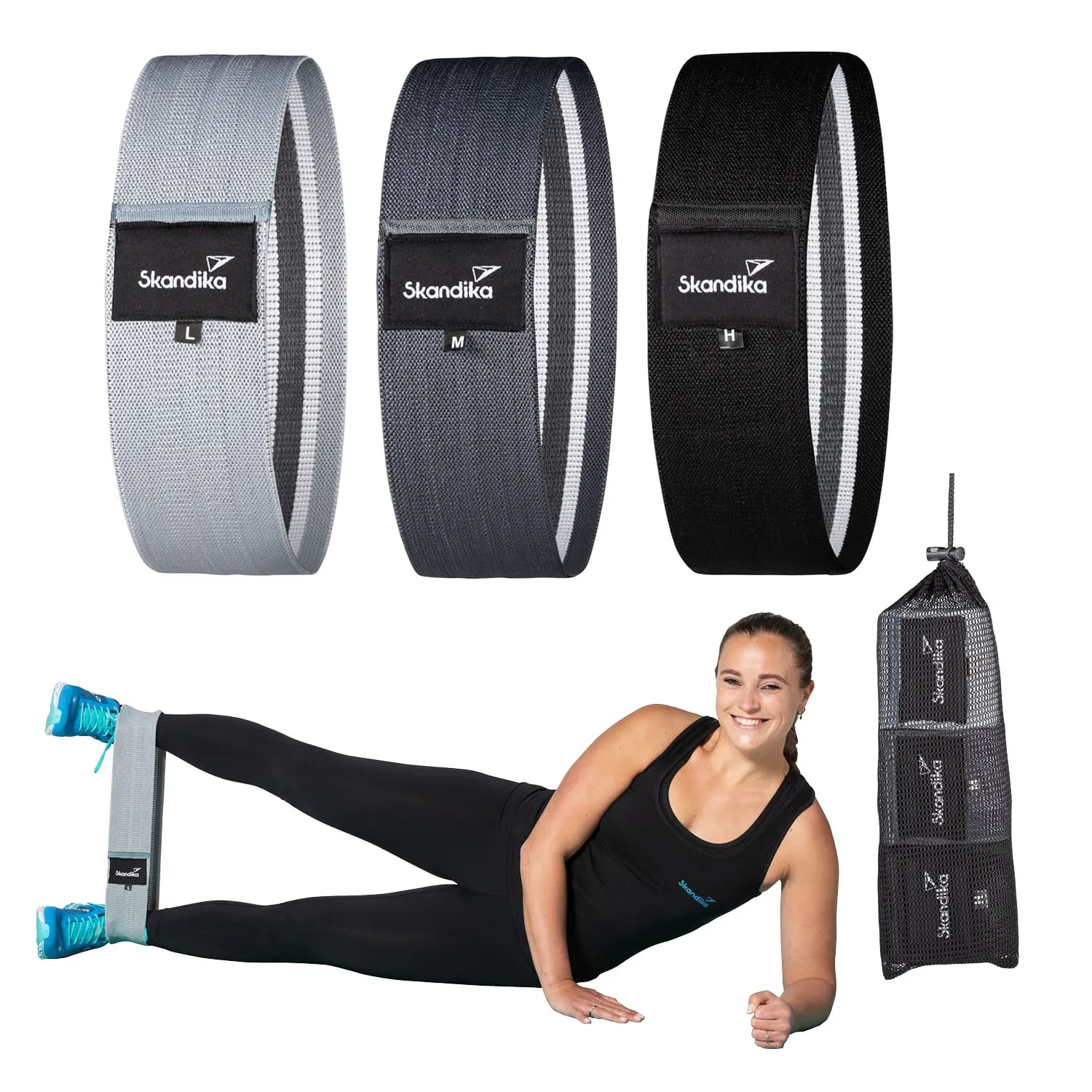
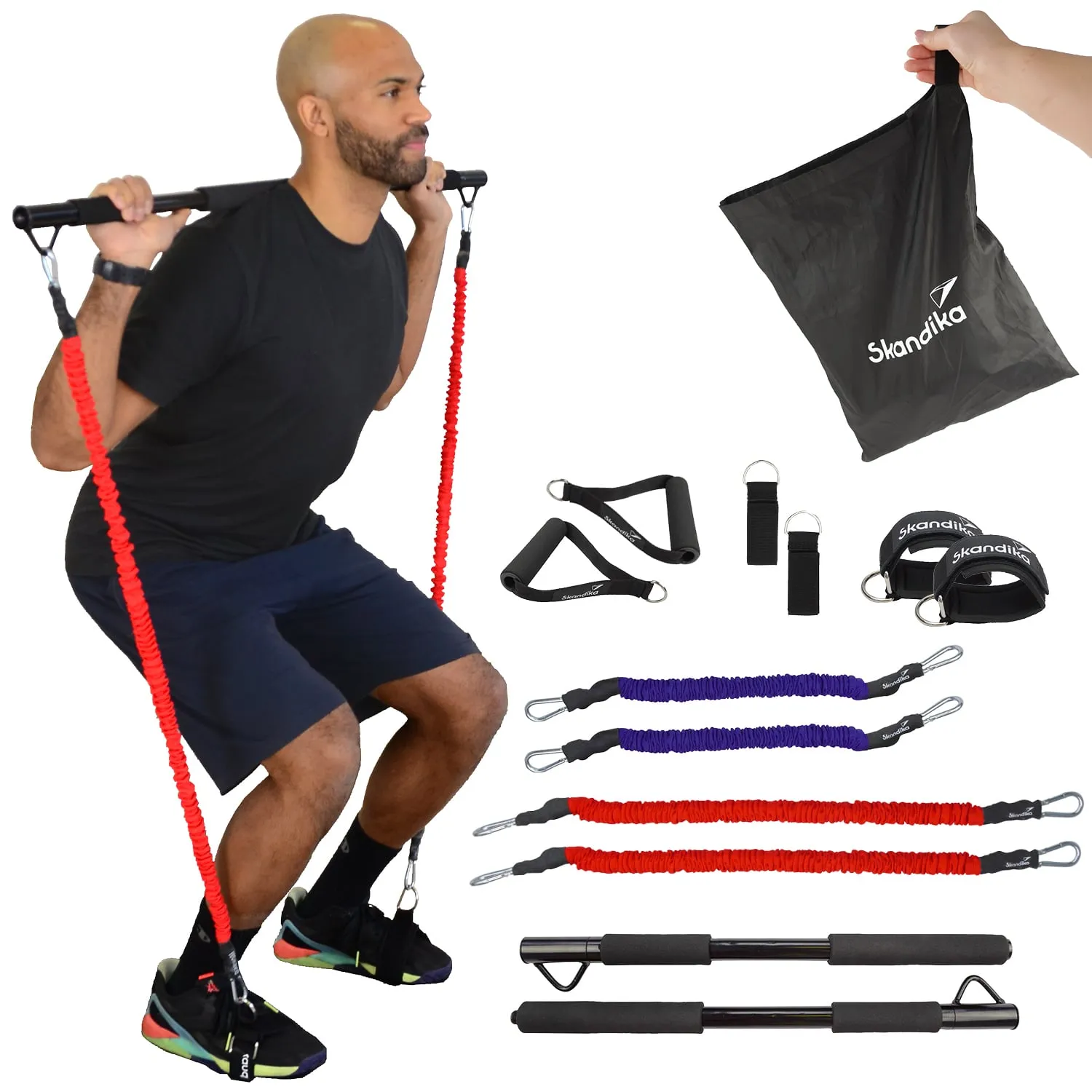
Multi-resistance bands set
49,95 €RRP 64,95 €
Training and nutrition go hand in hand when building muscle
When building muscle, training and nutrition go hand in hand. What is the first thing that comes to mind when you think of a diet for muscle building? Of course proteins! After all, proteins are proven to help build muscle and they are naturally found in some foods without you having to buy protein bars or prepare protein shakes. In addition to protein, muscle-building snacks should also contain long-chain carbohydrates. You should also avoid fat or focus mainly on unsaturated fatty acids.
You can eat small, light snacks shortly before training for an energy boost. Proteins are used directly during training by the amino acid for muscle building. In addition, pre-workout snacks should be low in fat and high in carbohydrates. Remember: the harder the snack is to digest, the more time you should allow to pass before training. Whole meals should be two to three hours in arrears.
After your workout, you can also enjoy protein and carbohydrate-rich snacks. These provide your muscles with important protein after training. These protein snacks are particularly important in the first hour after your workout to promote muscle building.
Also make sure you drink enough during training to keep your water balance topped up.
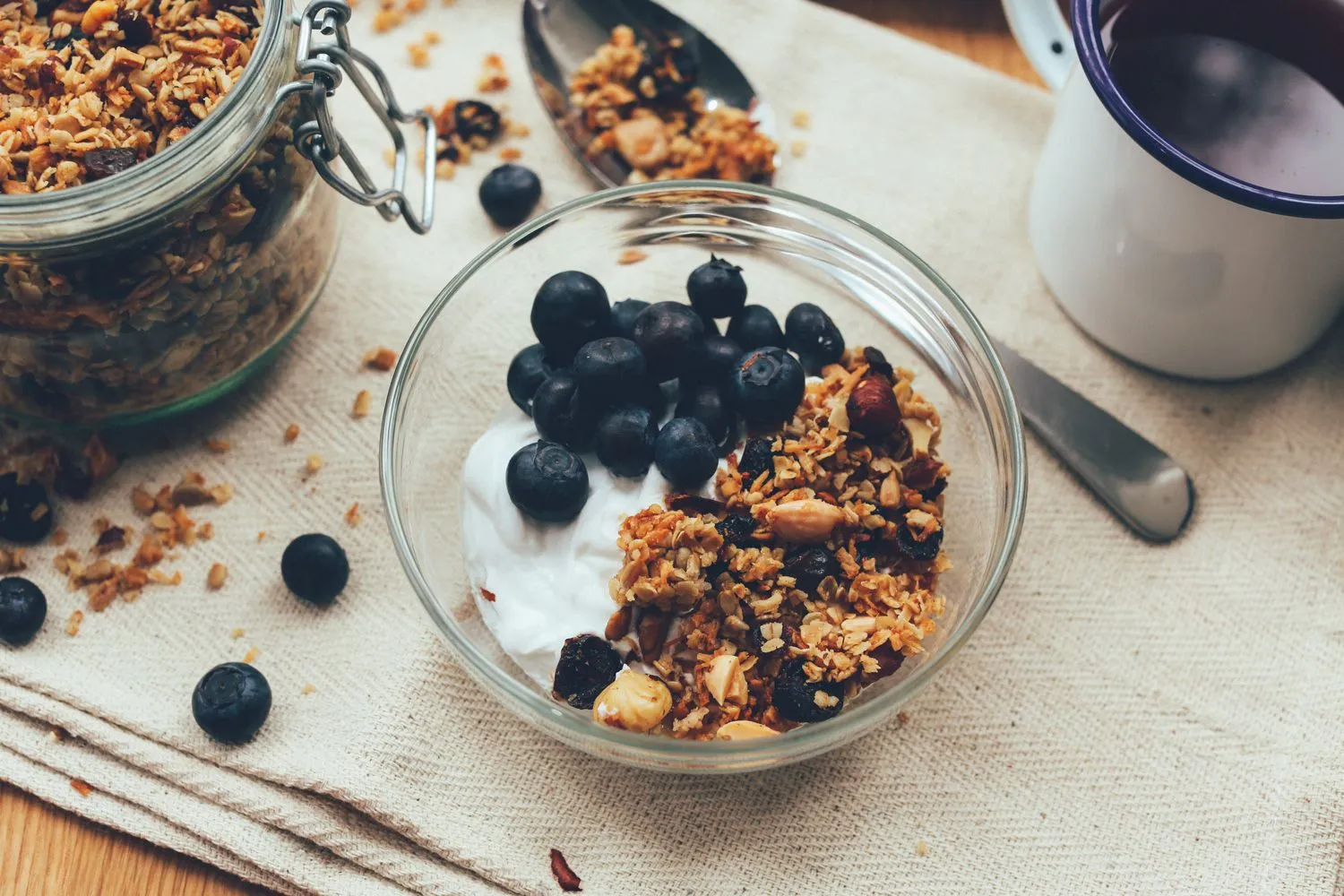
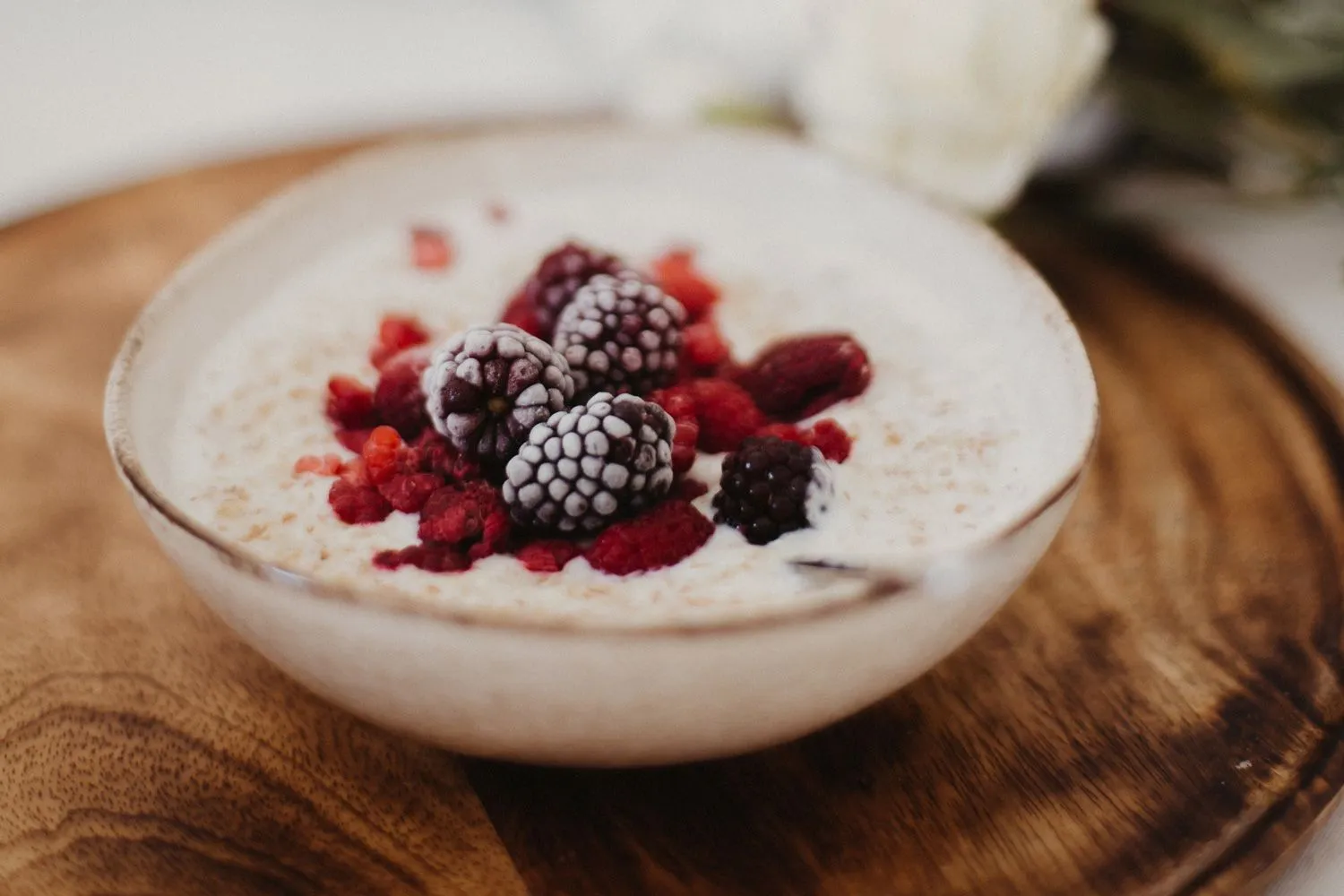
Low-fat quark is an ideal source of protein** - 200 g contain around 25 g of protein. It is important to choose low-fat varieties. Whether for breakfast or as a small snack - top the quark with berries and some muesli. This combination will energise you thanks to the carbohydrates it contains. Just try to choose a muesli that is low in sugar or use oat flakes. You can also make your own sugar-free muesli. For example, you can use rolled oats, linseed, sunflower seeds, sesame seeds and various nuts. Add two mashed bananas with a little water to one kilogram of dry ingredients. Mix everything together and place on a baking tray. Now place it in the oven at 170° top/bottom heat for about an hour. However, the homemade muesli should be turned over from time to time. This way, you have prepared your muesli just the way you like it and sugar-free.
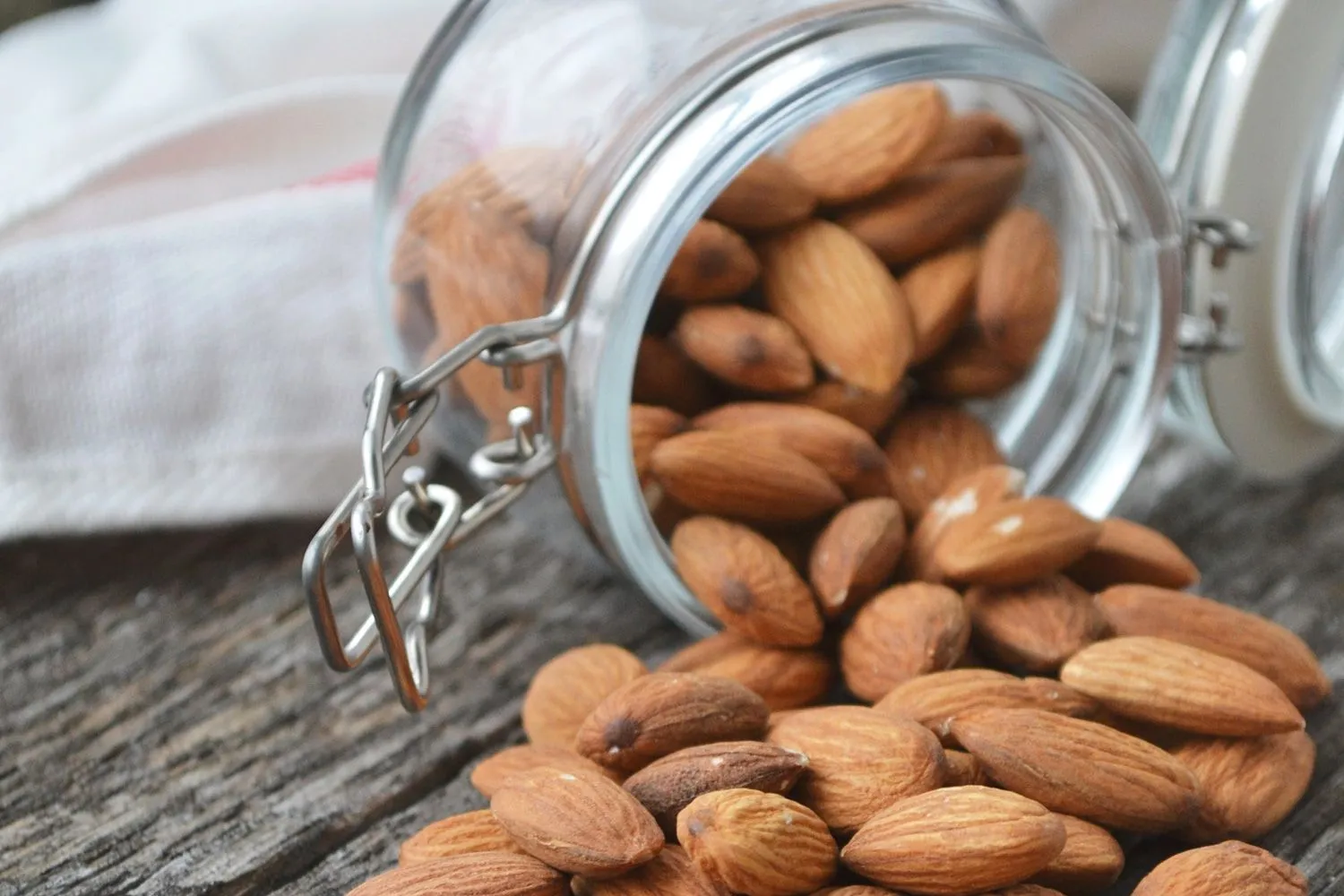
Nuts such as almonds, walnuts or cashews contain a lot of unsaturated fatty acids and are therefore an ideal snack between meals. They also keep your cardiovascular system in balance. In addition to unsaturated fatty acids, nuts provide important proteins and minerals that give you energy. Nuts are ideal for travelling: simply fill up a handful from a nut mix. Alternatively, you can use peanut butter or other nut butters. However, these should be sugar-free and free from additives.
Seeds such as pumpkin or sunflower seeds are also suitable instead of nuts.
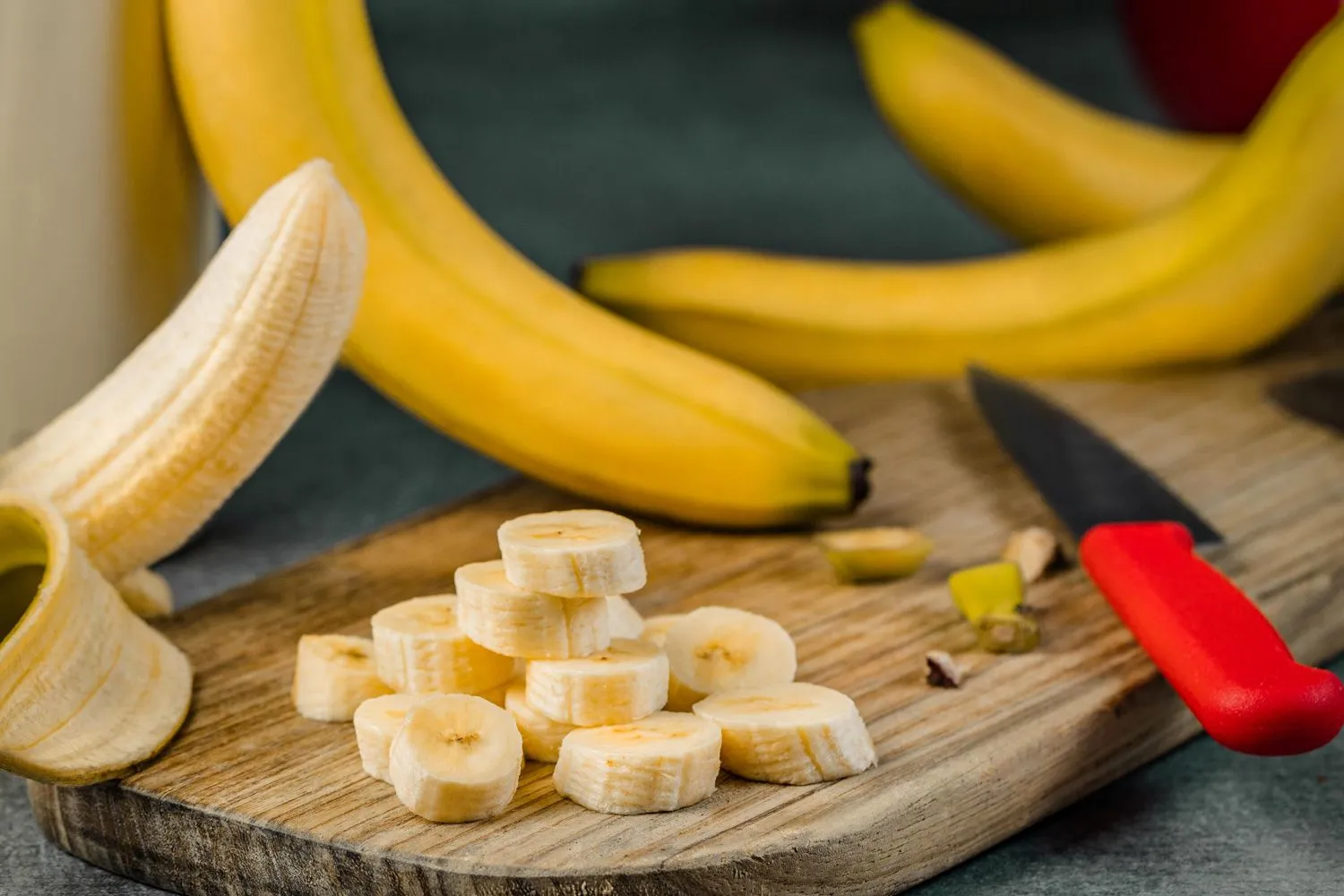
Bananas are ideal both as a pre-workout snack and as a post-workout snack. This is because bananas contain important carbohydrates. These provide you with the necessary energy before your workout and stimulate your regeneration after your workout, helping you to get fit again more quickly. Bananas also contain a lot of calcium, which helps with the processing of protein and activates carbohydrate metabolism.
A banana with peanut butter** is the ideal post-workout snack. This combines two important sources of energy.
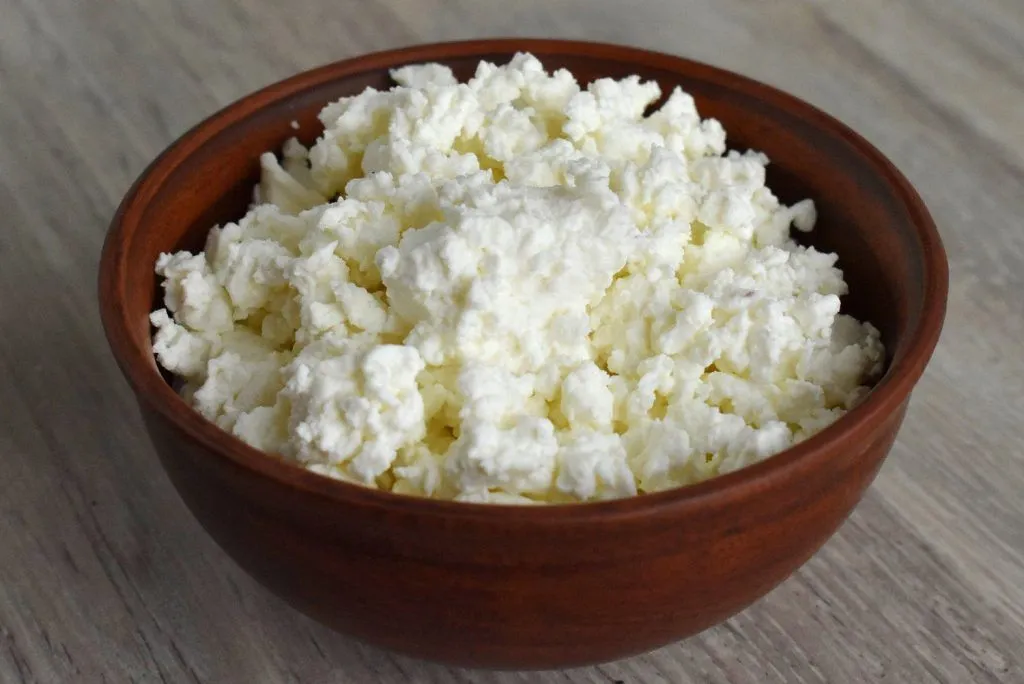
At around 12 g per 100 g, cottage cheese is not only high in protein but also very low in calories and therefore offers you an ideal combination for building muscle. It is particularly suitable in the evening as a snack after a workout. If the pure flavour of grainy cream cheese is too boring for you, simply mix in some nuts to provide you with additional plant-based protein. Alternatively, top a slice of wholemeal bread with cottage cheese or eat it as a sweet version with fruit.12 g per 100 g, cottage cheese is not only high in protein but also very low in calories and therefore offers you an ideal combination for building muscle. It is particularly suitable in the evening as a snack after a workout. If the pure flavour of grainy cream cheese is too boring for you, simply mix in some nuts to provide you with additional plant-based protein. Alternatively, top a slice of wholemeal bread with cottage cheese or eat it as a sweet version with fruit.
Mozzarella** also contains a high protein content and little fat, just like granular cream cheese.
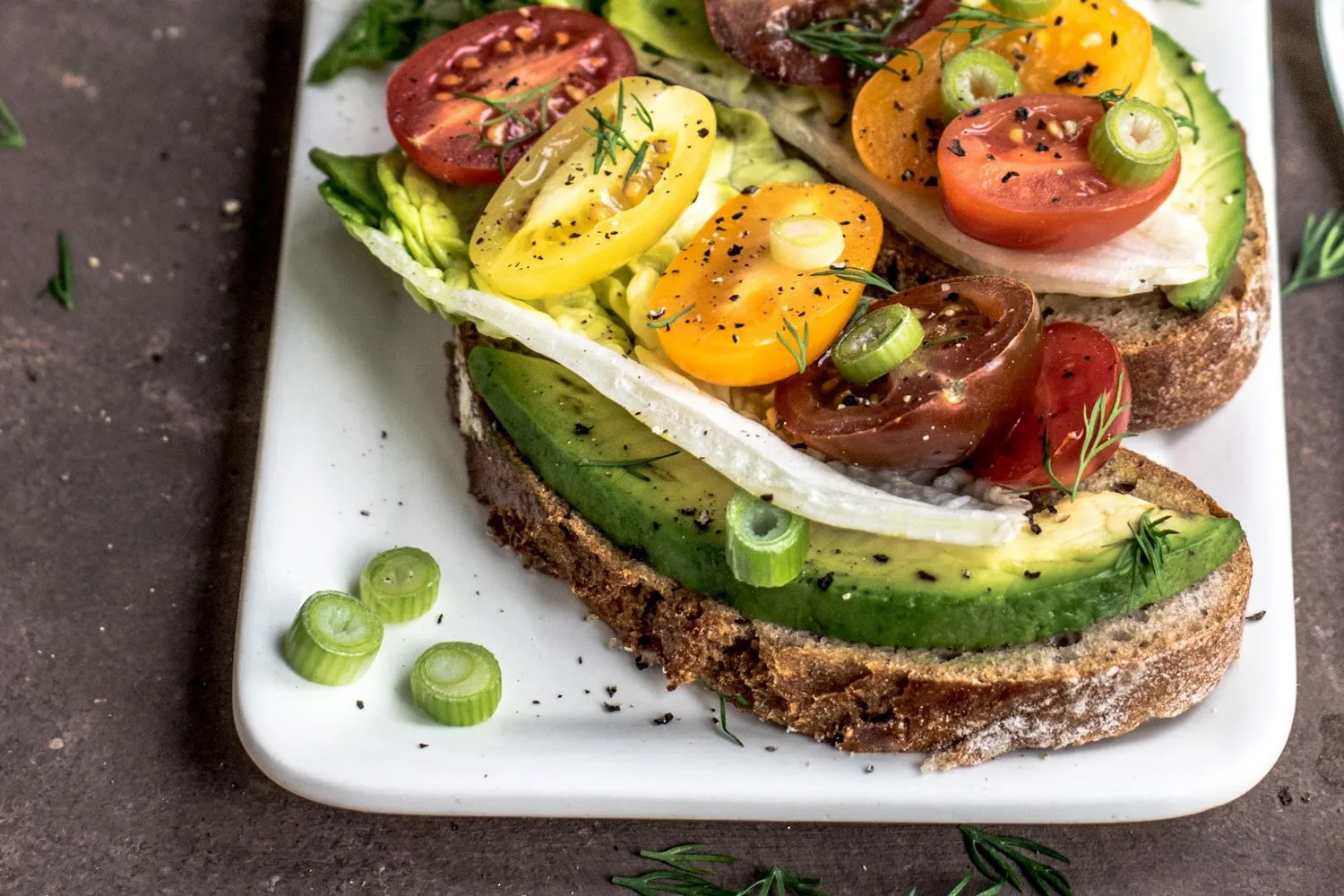
In addition to wholemeal bread, you can choose from a range of other wholemeal products such as wholemeal pasta, which provides your body with long-chain carbohydrates. In addition, magnesium is a component of wholegrain products and is very important to protect your muscles from cramps. For example, if you top your wholemeal bread with low-fat cheese, you have an ideal snack for building muscle that provides you with both carbohydrates and protein.
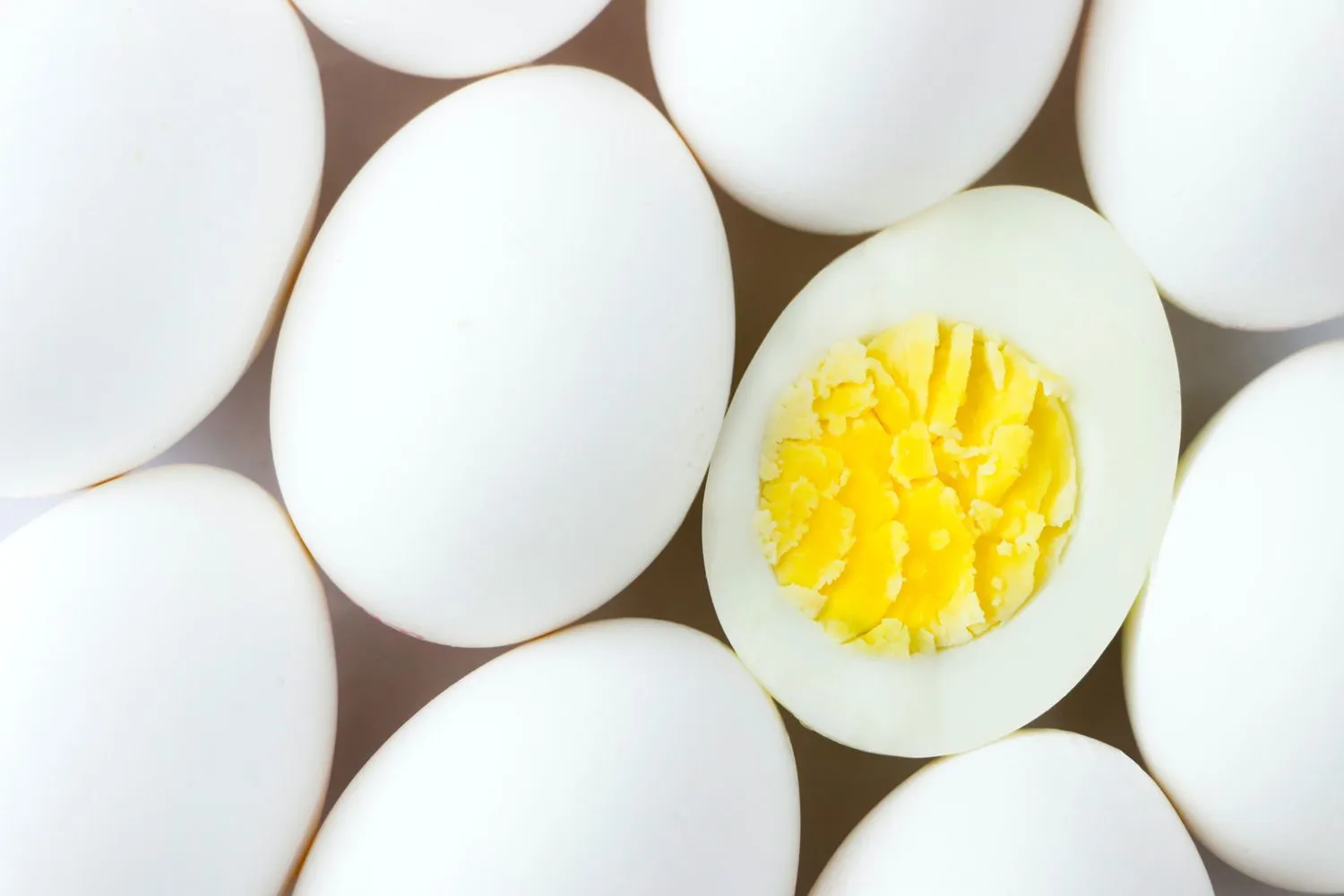
Eggs contain a lot of protein - around 12 g per egg. This means that your protein and therefore protein balance is already well filled. The best thing is that your body converts the amino acids contained in the egg into protein. As a snack, you can spread an egg on wholemeal bread.
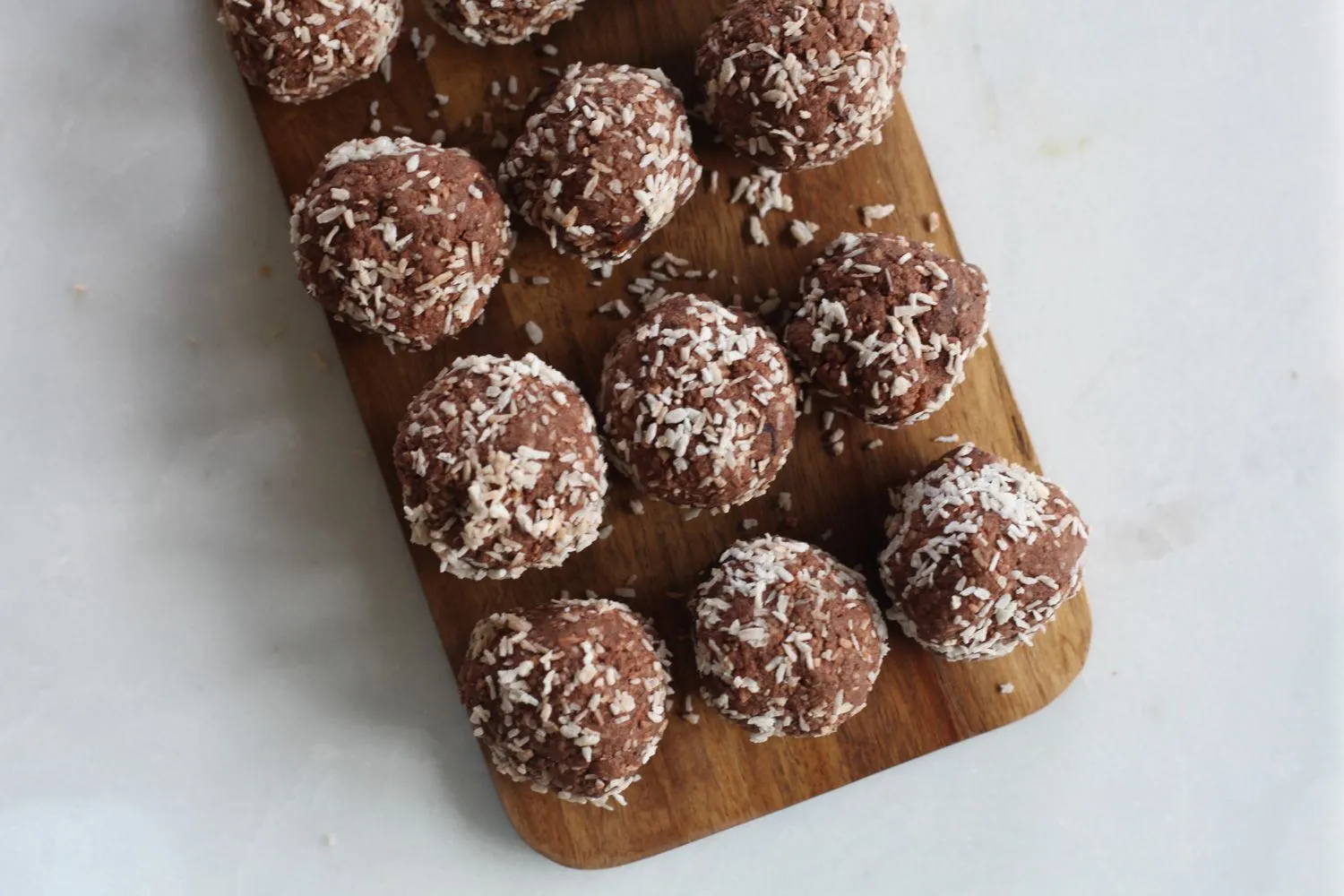
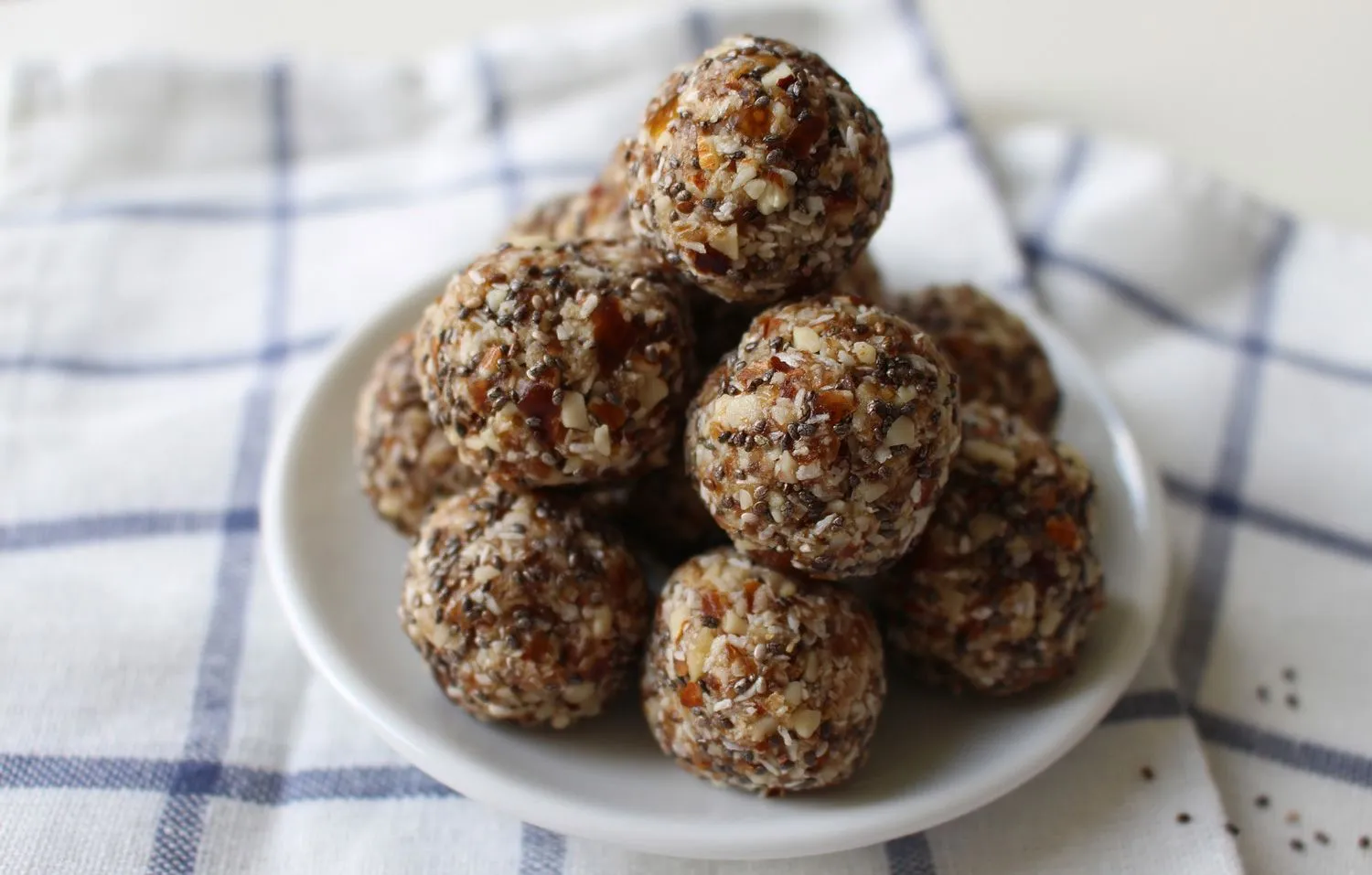
Energy balls are a very popular snack before or after training. As they can be combined in so many different ways, you can prepare them to suit your taste. Particularly good: they contain lots of unsaturated fatty acids and minerals, which help your body to regenerate. They contain a lot of protein thanks to the nuts. They can be prepared very quickly, so you can make do with them for a few days. To make around 10 balls, simply chop up 150 g of dried fruit - dates are particularly good - with 75 g of nuts, seeds or kernels in a blender. The ratio should be around 2:1. Then shape the mixture into small balls and season them with your favourite spices such as cinnamon, vanilla or cocoa powder. As the energy balls are very sticky, you can optionally roll them in shredded coconut or seeds. Then put them in the fridge.
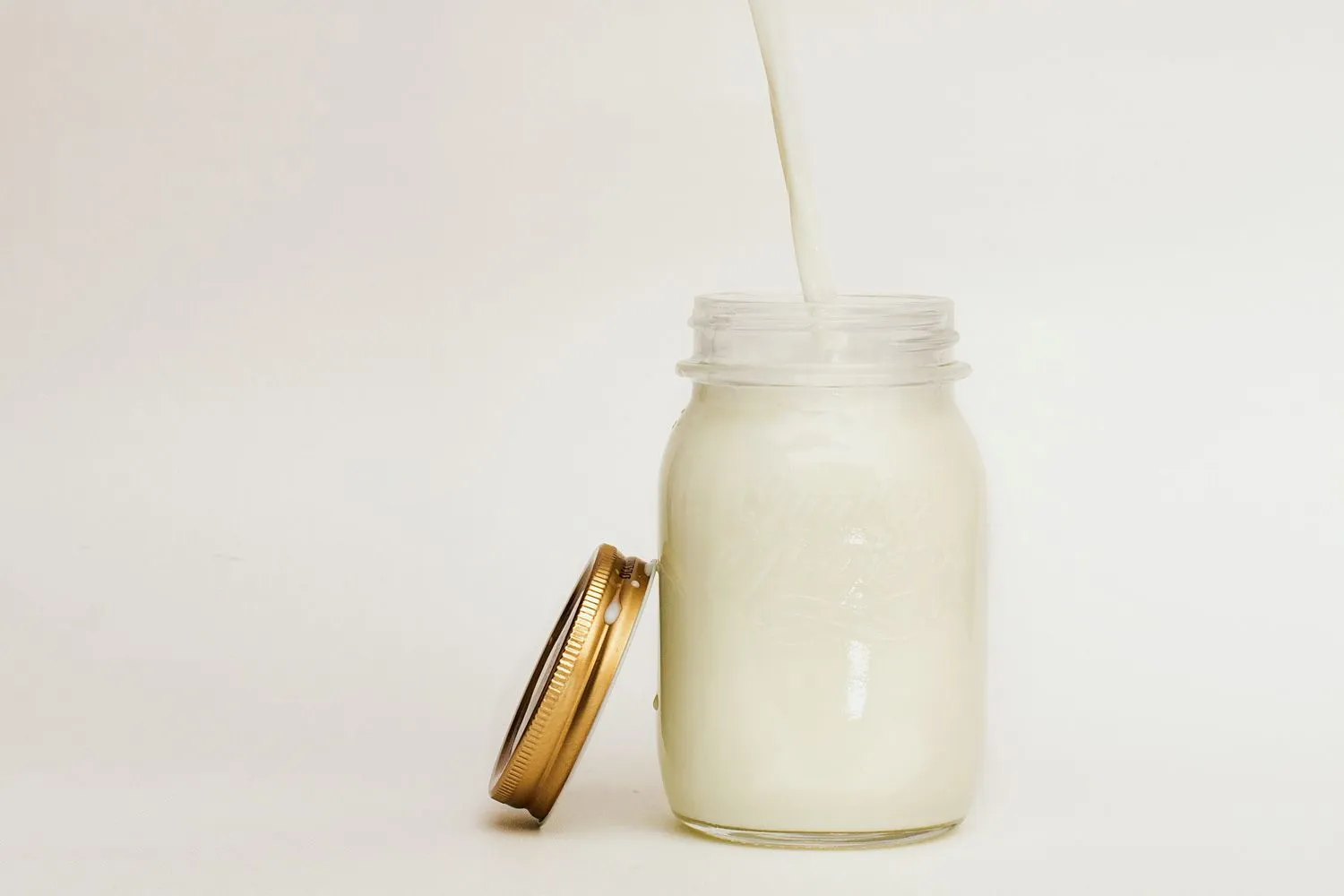
Buttermilk combines many advantages: it is particularly low in fat, contains few calories, but comparatively lots of carbohydrates and high-quality protein. A glass of buttermilk fills you up and helps build muscle. 100 ml contain just under 35 kcal. Buttermilk also contains a lot of casein, which prevents muscle breakdown.
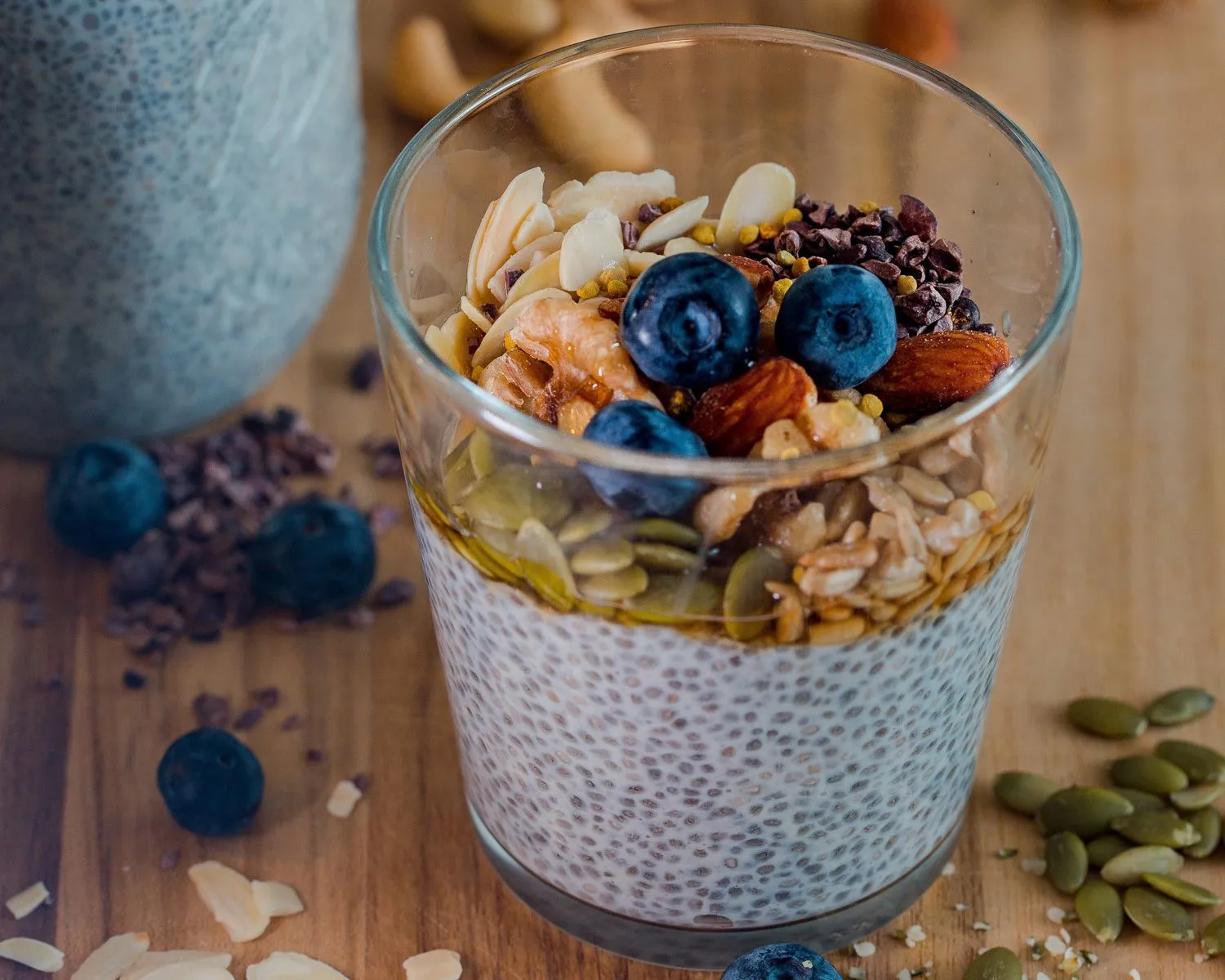
Chia seeds are real protein suppliers. There are around 18 g of protein in 100 g of chia seeds. Similar to salmon, chia seeds contain important omega-3 fatty acids, which help to keep your heart and blood vessels healthy. You can also prepare chia seeds in a variety of ways, for example as a topping for a smoothie bowl or as chia pudding. To make chia pudding, simply soak 2-3 tbsp of chia seeds in lukewarm water. Alternatively, you can also use coconut milk. This also contains important nutrients and minerals such as magnesium and iron. Once the chia seeds have swollen, mix them with low-fat quark or yoghurt and add a few berries or oat flakes** as a topping. A delicious fruit puree made from mango or raspberries also goes very well.
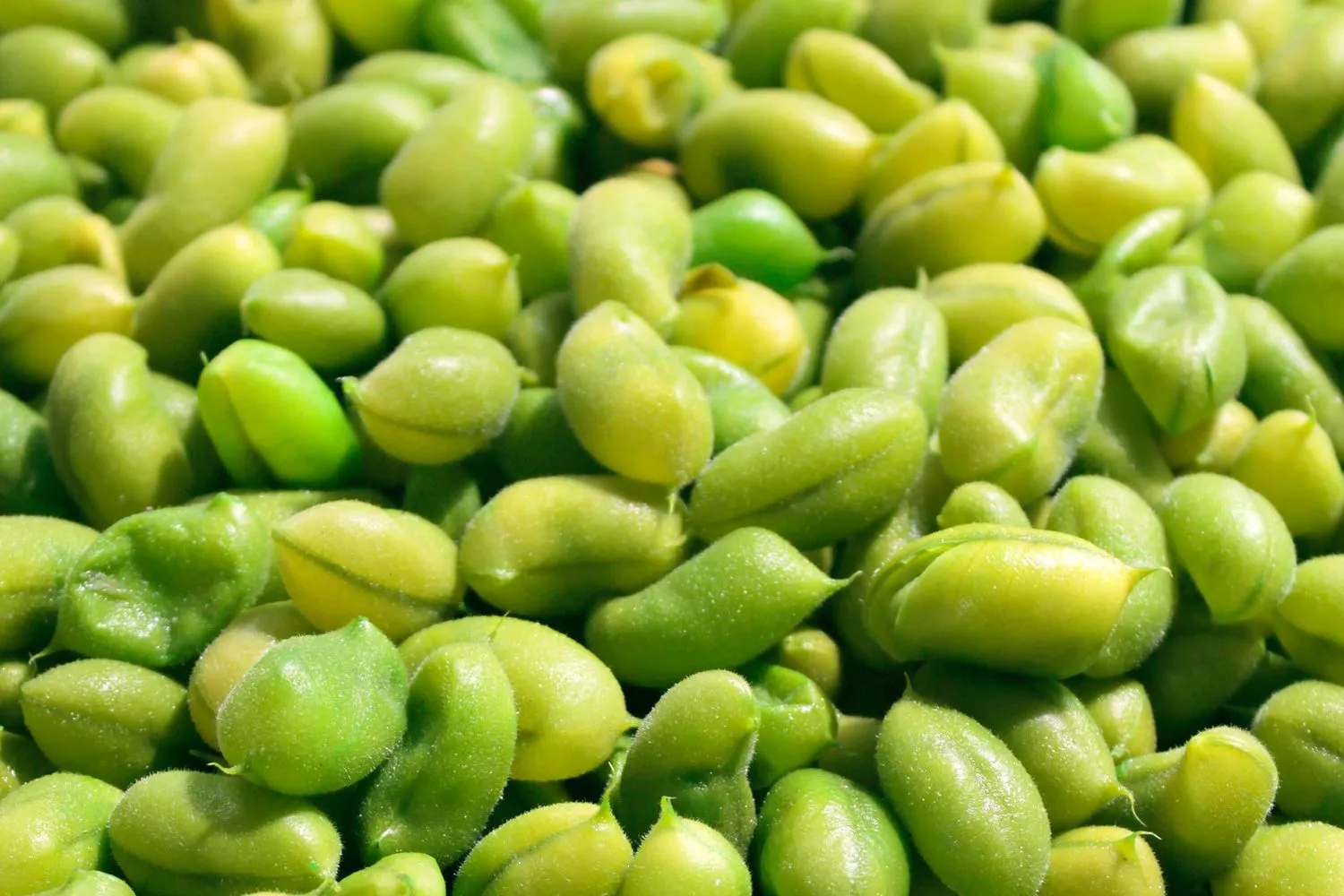
Edamame don't sound particularly exciting on their own as a protein snack. You probably know the soya beans as a side dish or starter with sushi. But did you know how many healthy nutrients edamame contain and that you can easily prepare them as a snack between meals? On the one hand, the beans provide you with a good amount of protein and some satiating fibre, and on the other, they even contain omega-3 fatty acids. They also have a low calorie and fat content. Simply prepare the edamame according to the pack instructions - frozen products only need to be soaked in boiling water for a few minutes. Then season them with a little salt and pepper and you have an ideal muscle-building snack!
If you want to build muscle, it's important to have the right diet in addition to an optimal training plan - this also applies to snacks in between meals. With our muscle-building snacks, you are well supplied with important proteins and carbohydrates.