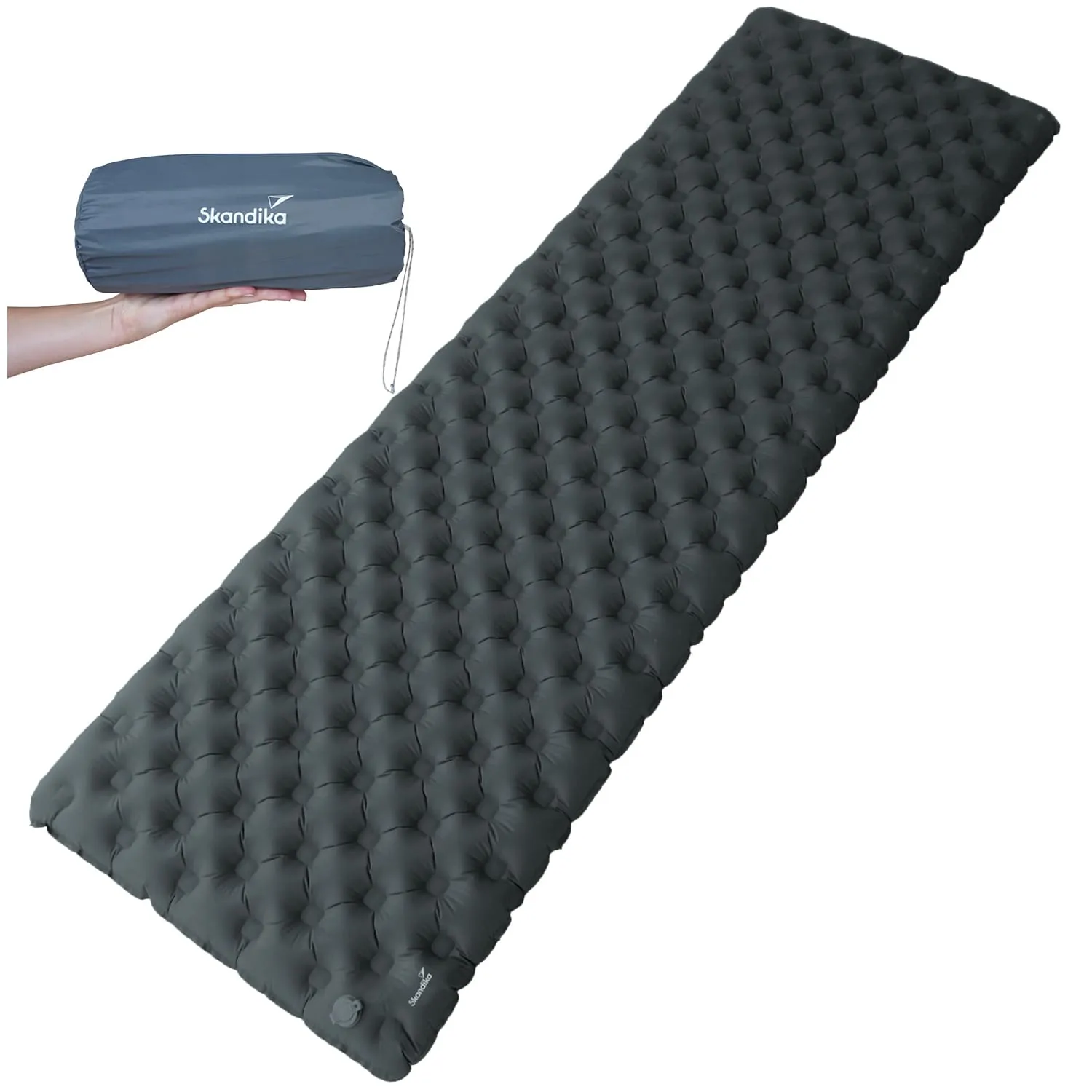
Exclusive Air air mattress
64,95 €RRP 69,95 €
Preparing for a long-distance hike is absolutely essential – especially if you’re not doing a hut-to-hut trek but are travelling with your trekking tent. With our packing list for multi-day hikes, you’ll be perfectly prepared for this adventure. We’ll also give you some useful tips on weight and how to pack your rucksack properly.
Bear in mind, however, that the equipment you need also depends on other factors such as the length of the trek, the number of people, the destination and what’s important to you personally.

The longer the hike, the heavier your rucksack is likely to be. Food and clothes, in particular, take up more space. Bear in mind that you’ll have to carry the entire weight for the whole journey. So decide carefully in advance what you really need to take with you and which items you can do without.
Bear in mind the following rule of thumb: try to carry no more than around 25 per cent of your body weight on your back. For a body weight of 60 kg, that equates to 15 kg – lighter is, of course, always better. Especially on challenging hikes with significant elevation gain, the weight of your rucksack should be kept to a minimum.
It all depends on how long you’ll be out and about and whether you’re sharing some of your kit with others. For example, you could share items such as a gas stove, a trekking tent or a first-aid kit, so that everyone’s rucksack is a bit lighter.
Tip: Weigh every single item you plan to take with you beforehand. This will help you gauge what weighs how much and allow you to cut down on weight a little further.
A good size for a hiking rucksack for several days is 40–60 litres. Make sure you have a rain cover with you or buy one to take along. It’s important that the rucksack fits properly and doesn’t get in the way or cause back pain during long-distance hikes. Also bear in mind the weight of the rucksack itself and factor this into your total weight.
As a general rule, when packing your rucksack, make sure to distribute the weight in such a way that it is easiest for you to carry. Remember where you’ve put things so that everything is easily accessible and you don’t always have to empty the rucksack completely.
Most rucksacks have an extra compartment at the bottom. This is the best place to store light but bulky items, such as your sleeping bag. Position the heaviest items close to your back. If you pack so that heavy items are at the front of the rucksack, it will usually feel heavier because it pulls you backwards. Items such as the tent poles, pegs and toiletries should be placed against your back. The further your luggage is from your body, the lighter it should be.
Use lightweight pack bags to make it easier to find everything. That way, you’ll have everything neatly organised and a clear overview.
Important items such as the first-aid kit, tissues, sanitiser and hiking map or power bank should be stowed within easy reach. Snacks or a water bottle should also always be within easy reach.

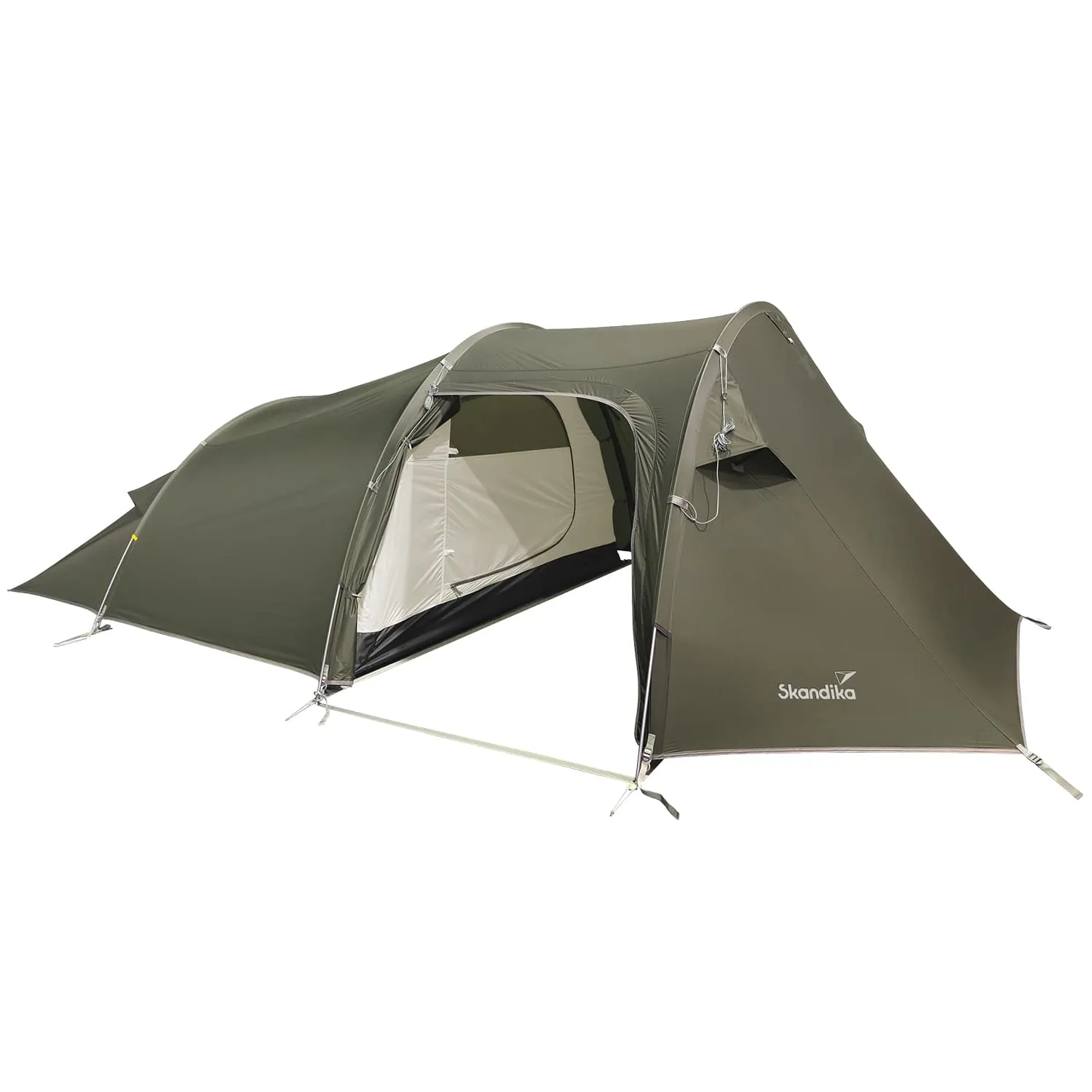
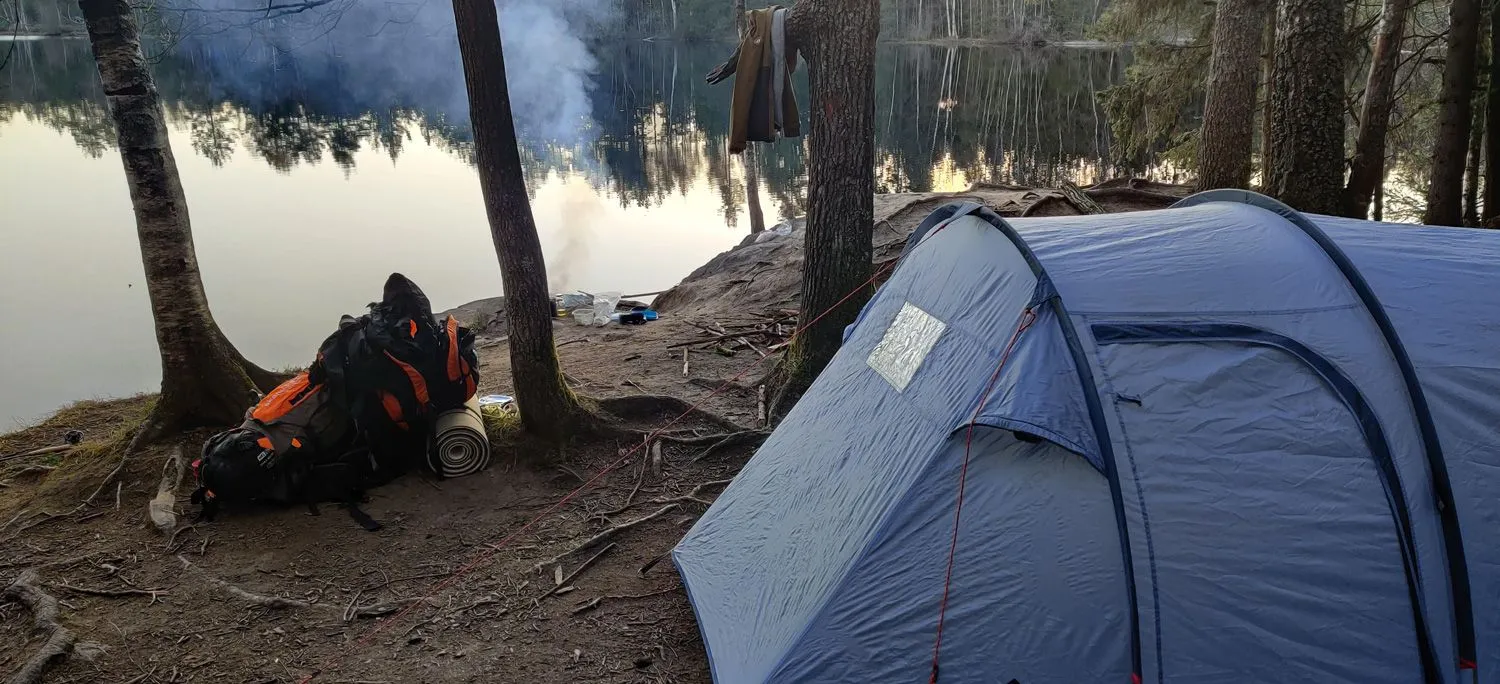
Camping kit in particular takes up more weight and space in your rucksack. You should therefore try to keep it as light as possible. You’re best off with suitable trekking kit, which is particularly compact. If you’re camping at campsites, make sure you have all the necessary information to hand. If wild camping is an option, find out in advance about the regulations in your destination country. We’ve put together a list of all the wild camping rules in Europe and alternatives to wild camping in Germany.
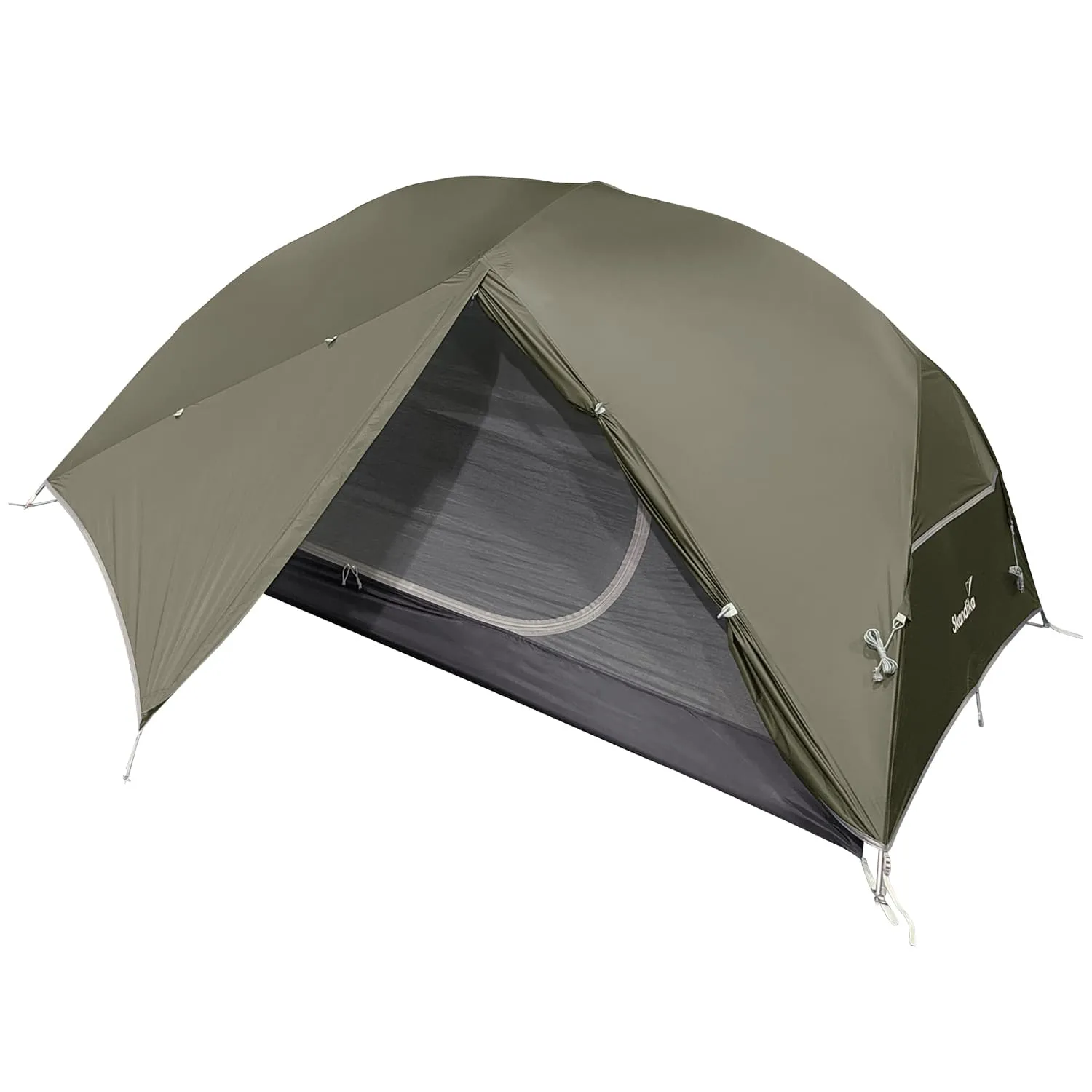
Most trekking tents are not only very lightweight but also have a compact pack size. This makes them even easier to carry. As well as the ultralight design, remember to take pegs with you to secure everything properly. We’ll help you choose the right trekking tent in our blog post.

When choosing an air mattress or sleeping mat for a trekking trip, you’ll save space if you look for compact mattresses that are also lightweight. Ideally, a trekking sleeping mat should weigh less than one kilogram. Our Exclusive Air inflatable air mattress, for example, weighs just under 900 g and has a small pack size.
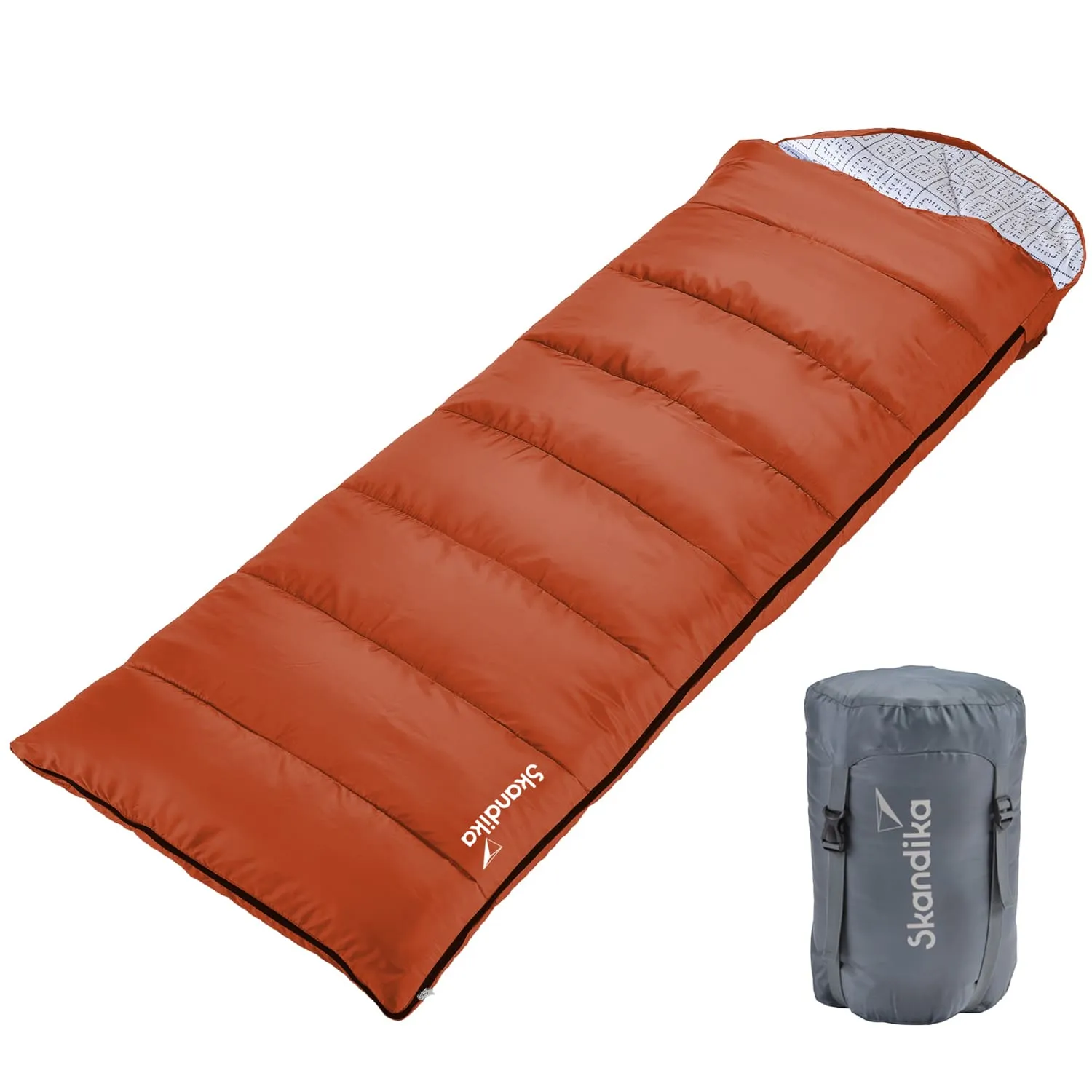
When it comes to trekking sleeping bags, it all depends on the region where you plan to go hiking. You should therefore definitely pay attention to the comfort temperature to ensure you don’t get cold at night. Just as with a sleeping mat, the question arises: how much should a trekking sleeping bag weigh? The weight should be around 1–1.5 kilograms. Weighing in at 1.5 kg, our Iceland blanket-style sleeping bag is the lightest in our range and has a comfort temperature range of 15 °C to 5 °C.
When it comes to food, it depends on whether there are huts or other places to eat along the way where you can have something to eat and drink. If not, you’ll naturally need to plan ahead and work out how much food you’ll need for each day. When it comes to food, pay particular attention to nutrients, calories and weight. The good news is that this weight will decrease, so your rucksack will get lighter day by day. Snacks and food that are ideal for on the go and should be on your trekking packing list:

When you’re out and about, it’s important that you’re well prepared for injuries and all weathers. Plasters and sun cream are essential items in your first-aid kit and should be right at the top of your packing list for a long-distance hike. For longer hikes, you should pack toiletries such as toothpaste and shampoo. Here’s an overview of the most important essentials
:- Plasters
As well as the right rucksack and tent, your hiking boots are the most important item on your hike. Make sure in advance that they are well broken in to avoid blisters or other pressure sores.
When it comes to clothing, the main factors to consider are whether you’ll be travelling in warmer or colder regions and whether the weather is likely to be sunny or rainy. Check the weather forecast for your destination in advance. When it comes to clothing, it’s best to adopt the layered look so that you end up carrying fewer items. This way, you can simply layer several items of clothing on top of one another. When choosing your clothing, you’ll save a fair bit of weight if you pay attention to the right material.
Clothes that should be on your trekking packing list:
What else do you need for a multi-day hike? As well as camping kit, clothing, a first-aid kit and provisions for the trek, there are a few other items you should add to your trekking kit list. These include
:- Hiking poles for a secure grip, disc attachments for use in snow
Try to keep your trekking kit to the bare essentials and weigh everything you plan to take with you. Go through the trekking packing list very carefully once more before your trip and check that you haven’t forgotten anything and that you’ve packed everything appropriately for the temperatures. We hope you have a great time on your multi-day hike!